Migraine Treatment

Reviewed by: HU Medical Review Board | Last reviewed: October 2024 | Last updated: December 2025
Migraine is a painful condition that causes severe head pain, often with nausea and vomiting. Many other physical symptoms are common too. Migraine is often lifelong, meaning the person has regular attacks for years. Migraine is a serious health condition that causes missed work, school, and life events.
There are different types of migraine and several hundred treatment options. Only a few were created for migraine. Finding the right combination of treatments can take time and be frustrating. What works for you may change. It depends on how often you have attacks, how severe they are, and what your other health conditions are.1-4
Keeping a migraine journal helps many people understand their migraine disease better. A migraine journal tracks what combination of drugs and lifestyle changes works best to manage migraine.1,2
Types of migraine treatments
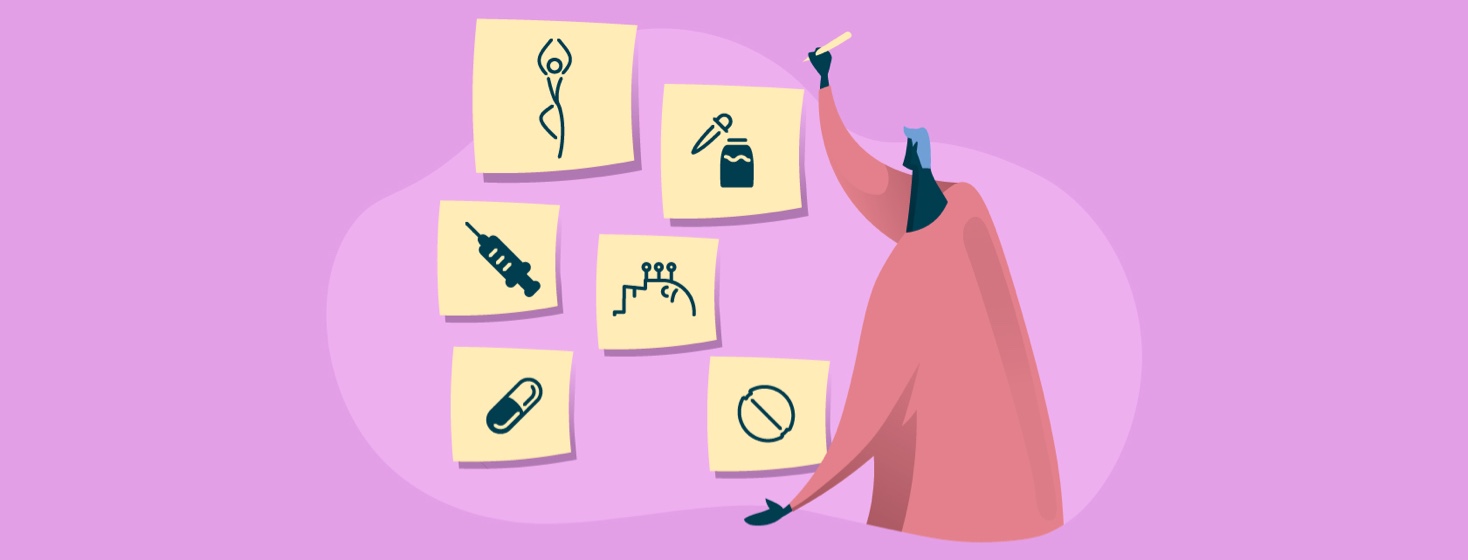
Migraine treatments can be confusing. And it can take a while to find the right combination of treatments that work for you. In general, there are 3 types of migraine treatment:1
- Preventative – using the treatment routinely to reduce the intensity and frequency of migraine attacks
- Acute – treating symptoms when they occur
- Non-medicinal – efforts like tracking migraine triggers, making lifestyle changes, incorporating behavioral or alternative therapies, and/or using migraine devices
Preventive
As the name suggests, preventive drugs work to prevent a migraine from happening. Preventives also help make the attacks less severe when they do occur. These medicines are taken regularly, often daily. They can also enhance the effectiveness of acute migraine treatments, allowing for less frequent use.1,4

Acute
Acute migraine drugs are taken early during an attack to reduce symptoms. If the acute drug does not work, then a rescue medicine is taken. This rescue medicine is often a different kind of acute migraine medicine.1,4
Non-medicinal options
There are a variety of devices that help treat migraine. Many people also use home remedies and track their triggers to help manage their migraines. Finally, lifestyle changes like yoga, meditation, biofeedback, and exercise may also help people with migraine.1
Prescription drugs
There are many prescription drugs used by people with migraine. People who have frequent attacks may need both preventive and acute medicine. Types of prescription drugs for migraine are:1,3,4
- Calcitonin-gene-related peptide (CGRP) inhibitors
- Triptans
- Calcium channel blockers
- Antidepressants
- Anticonvulsants
- Beta-blockers
- Botox
- Ditans
- Ergotamines
A few prescription devices are also available to prevent and treat migraine.
Over-the-counter medicines
Over-the-counter medicines play an important role in the lives of people with migraine. That said, people with migraine must be careful to avoid taking too many painkillers too often. This can lead to progression or worsening of migraine disease and medication-overuse headaches. A few of the over-the-counter drugs for migraine pain include:1-4
- Excedrin for migraine
- Ibuprofen (Advil, Motrin)
- Naproxen (Aleve)
- Aspirin
- Acetaminophen (Tylenol)
Home remedies
Many people add home remedies, lifestyle changes, and stress relief practices to their migraine treatment plan. Among the most popular home remedies for migraine are:1-4
- Caffeine
- Diet changes
- Fish oil
- Ginger
- Medical cannabis
- Peppermint oil
- Teas
- Vitamins
Stress relief
Stress relief practices take many forms and can help manage migraine attacks. These include:1-4
- Acupuncture
- Biofeedback
- Chiropraxy
- Cognitive behavioral therapy
- Exercise
- Massage
- Tai chi
- Yoga
An important part of migraine management is avoiding triggers. A daily migraine journal can help you track what you were doing that may have triggered the migraine.1
As always, the best source for advice on treating your migraine is your treating healthcare provider.