
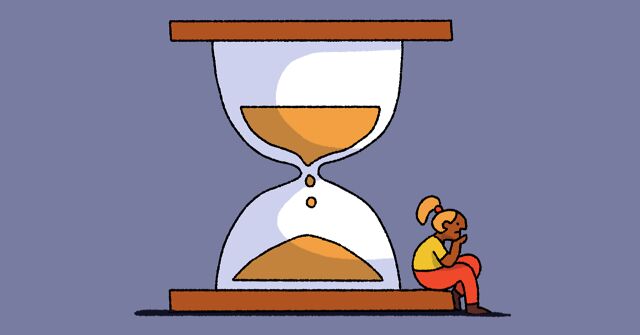



Are You "Not Sick Enough"?

I promise this is relevant. We’re lucky to have more than one bathroom, which means more than one toilet. This isn’t common in small UK houses or flats...
The people here are fastidious. Still, you’d know which toilet is used by someone with episodic migraine—it’s spotless. I can keep it that way between migraine days, and need it that way when I’ve had an attack.
I’m not sure I have to elaborate on exactly WHY I need it to be that way, but let’s just say there are perks to being a clean freak. When I have been hunched over in the morning, the last thing I need is a cleanliness situation to make me feel more nauseated.
I chuckle at this, but this is one of the few ‘perks’: being able to prepare for the migraine days in some small way, feeling like it’s inevitable that another will come along. Helps me feel successful!!
Why episodic migraine can feel invisible in support communities
Very often, though, it is more difficult to explain the minuses, especially when I know others who have chronic migraine. But there are downsides to experiencing intermittent migraine.

I think one of the biggest and most surprising things is that even in some pain support communities, I was sometimes seen as ‘not really sick enough’ to complain. In ‘unsupportive’ support groups, mentioning intermittent migraine often led to ‘comparisonitis.’ "Well, you think you have it bad, I never get a pain-free day.” This can inadvertently end up feeling like my pain experience SHOULD be invisible.
How intermittent attacks affect friendships and social plans
It was a bit more understandable to experience weirdness in the ‘rest of the world.’ The inability to plan for when I’d be incapacitated made it challenging for friends and me to spend some quality social time together where we could all be fully present (and not focused on me and my migraine).
Buying expensive tickets to a show would begin with excitement-planning the outfit, the show, picking the restaurant... and sometimes end with great disappointment. When I could make a concert, it was an odd feeling to feel ‘relief’ that kind of poisoned the joy a little bit.
The stigma of showing up unwell at work with an invisible illness
When I was working for others or volunteering in some capacity, episodic migraine was a different kind of challenge. It was like I could hear what was in their heads:
- “Is she sick again?”
- “She’s kind of unreliable.”
- “How convenient that it makes a long weekend.”
Of course, this was just speculation and a projection of my fears-I don’t yet have the ability to read minds-but this fear created pressure and stress that often made things worse. I mean, I didn’t have chronic migraine at that point, so at least I could work, right? So I internalized the minimization of my pain, and ‘pushed through,’ sometimes showing up half present at work...sometimes having to leave early...but at least they then got to see I was actually unwell.
I did want to be engaged with the rest of life-and not simply because it meant I wasn’t experiencing migraine. I wanted to be giving to the world, earning, and being with others. I knew plenty of people who would have cared less about working aside from the paycheck-I wasn’t one of those.
So in turning up green in the face on occasion, they got their ‘proof.’ And as a return on my ‘investment’ for dragging myself in to show my face, I somehow got my ‘absolution.’ I was, after all, not faking it.
Have you ever felt you ‘weren’t sick enough’ to ask for support?
Join the conversation